
Front-end development is the art of creating the visual and interactive elements of a website or web application. As a beginner, diving into front-end development can be both exciting and overwhelming. To help you navigate this journey, we’ve compiled essential techniques and resources that will set you on the path to success. Whether you’re engaging in online coding tutorials or hands-on coding exercises, mastering these front-end development techniques is crucial for building modern, responsive websites.
Understanding the Basics of HTML and CSS
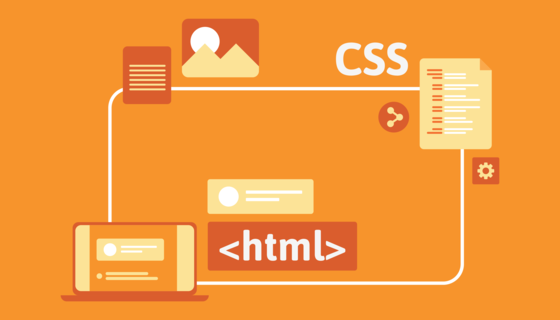
The foundation of front-end development lies in HTML (HyperText Markup Language) and CSS (Cascading Style Sheets). HTML provides the structure of your web pages, while CSS handles the visual styling. As a beginner, your first programming lessons should focus on mastering these technologies. Learn how to create HTML elements, structure content, and apply CSS rules to design visually appealing web pages. Online coding tutorials can offer interactive exercises that help reinforce these fundamentals.
Getting Started with JavaScript
JavaScript is the language that brings interactivity to your web pages. From form validation to dynamic content updates, JavaScript is essential for creating engaging user experiences. Start by learning the basics of JavaScript, such as variables, functions, and events. Progress to more advanced topics like manipulating the DOM (Document Object Model) and handling asynchronous operations. Incorporating JavaScript into your front-end development toolkit will greatly enhance your ability to build interactive features.
Responsive Design Principles
In today’s multi-device world, creating responsive designs that work seamlessly across different screen sizes is crucial. Understanding and implementing responsive design principles will ensure that your web applications look great on desktops, tablets, and smartphones. Techniques like media queries and flexible grid layouts are fundamental to achieving responsiveness. Engage in coding workshops or online tutorials that focus on responsive design to gain practical experience in this area.
Version Control with Git
Version control is an essential skill for any developer. Git is a popular version control system that allows you to track changes in your code and collaborate with other developers. Learning how to use Git effectively will help you manage your codebase, handle conflicts, and maintain a history of your changes. Incorporate Git into your front-end development workflow and explore online coding tutorials that cover version control practices.
CSS Preprocessors and Frameworks
CSS preprocessors like SASS or LESS and frameworks like Bootstrap or Foundation can streamline your development process. Preprocessors add features like variables and mixins to CSS, making your code more maintainable and modular. Frameworks provide ready-made components and grid systems that speed up development and ensure consistency. Experiment with these tools through coding exercises and projects to enhance your front-end development capabilities.
JavaScript Libraries and Frameworks
JavaScript libraries and frameworks, such as React, Vue.js, and Angular, can significantly boost your productivity. These tools provide pre-built components and abstractions that simplify complex tasks. As a beginner, start by exploring one library or framework that aligns with your goals. Online coding tutorials and programming projects can help you learn how to use these tools effectively and integrate them into your front-end development workflow.
Performance Optimization
Optimizing the performance of your web applications is crucial for providing a smooth user experience. Techniques such as minimizing HTTP requests, optimizing images, and utilizing caching can improve load times and responsiveness. Learn about performance best practices and incorporate them into your front-end development projects. Coding challenges and practical exercises can help you understand how to implement these optimizations effectively.
Cross-Browser Compatibility
Ensuring that your web applications work consistently across different browsers is an important aspect of front-end development. Test your designs and functionality in various browsers to identify and fix compatibility issues. Understanding browser quirks and using feature detection tools can help you address cross-browser challenges. Engage in coding exercises that focus on testing and debugging to enhance your skills in this area.
Building a Strong Portfolio
As you progress in your front-end development journey, building a strong portfolio is essential for showcasing your skills and attracting potential employers. Include a variety of projects that demonstrate your proficiency in HTML, CSS, JavaScript, and responsive design. Highlight projects that solve real-world problems or showcase your creativity. A well-crafted portfolio will make you stand out in the competitive job market.
Embracing Continuous Learning
Front-end development is an ever-evolving field, with new technologies and best practices emerging regularly. Embrace continuous learning to stay updated with the latest trends and advancements. Participate in coding workshops, follow industry blogs, and engage in online coding challenges to keep your skills sharp. By staying current with industry developments, you’ll be well-prepared to tackle new challenges and opportunities.
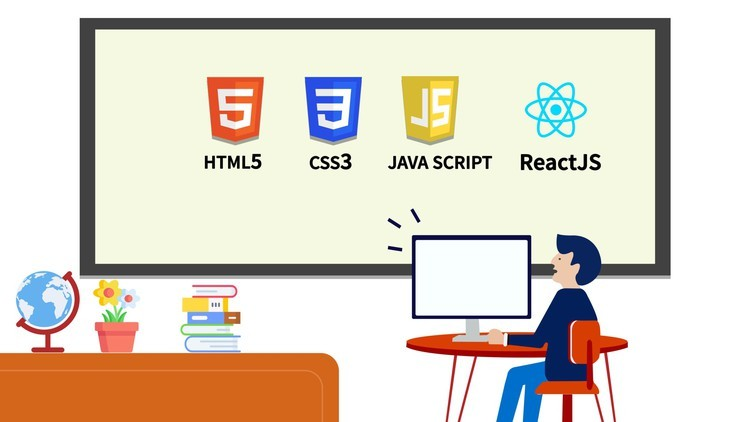
In conclusion, mastering these essential front-end development techniques will set you on a path to becoming a skilled and successful developer. From understanding HTML and CSS to exploring advanced JavaScript libraries and performance optimization, each technique plays a vital role in creating high-quality web applications. Embrace online coding tutorials, coding exercises, and practical projects to enhance your skills and crack the code to front-end development success.